
02 April , 2026
Is Indian Food the Healthiest Cuisine in the World?
Indian food can make a strong case for being one of the healthiest cuisines in the world, but the honest answer is more nuanced than a simple yes or no. At its best, Indian cuisine is rich in legumes, vegetables, whole grains, fermented foods, and spices, yet some versions become much less healthy when meals lean heavily on frying, cream, butter, refined flour, and oversized portions.
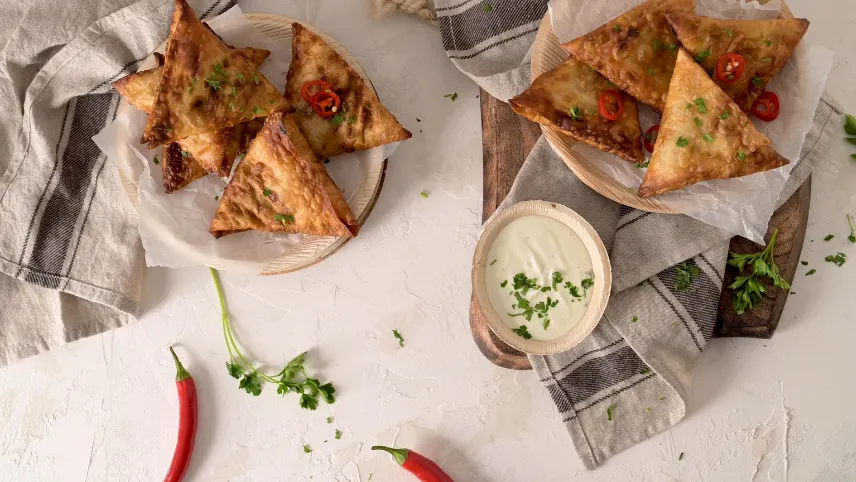
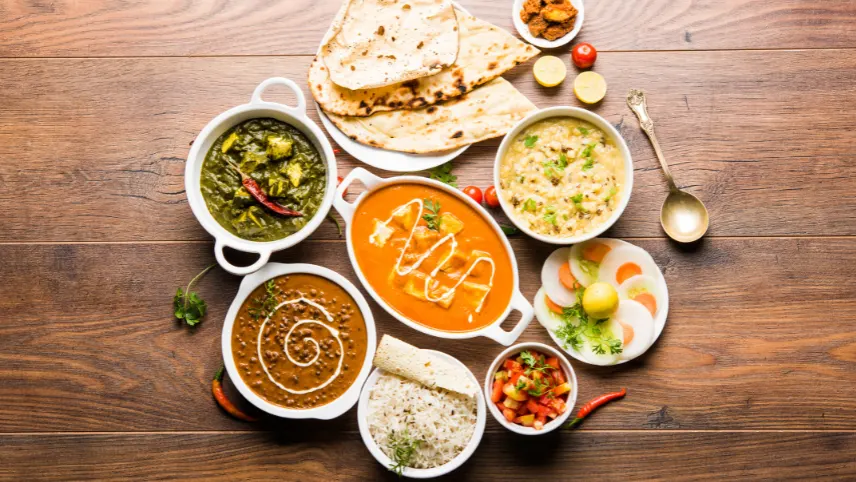
What makes Indian cuisine special is its range. A simple home-style thali with dal, sabzi, curd, and roti can be deeply nourishing, while a feast built around samosas, naan, creamy gravies, and dessert can feel more like comfort food than health food. That does not make Indian food unhealthy; it simply means the health value depends on the dish, the cooking method, and how often it is eaten.
Why Indian food has a healthy reputation
Indian cuisine earns its healthy reputation because many traditional meals align closely with what nutrition experts recommend for long-term health. The World Health Organization says a healthy diet should emphasize fruits, vegetables, legumes, nuts, and whole grains, and these foods naturally feature in many Indian dishes, such as dal, rajma, chana, mixed vegetable sabzi, millet rotis, and yogurt-based sides.
This plant-forward structure is one of Indian food’s biggest strengths. Lentils and beans provide fiber and protein, vegetables add vitamins and volume, and whole grains can make meals more filling and steadier for blood sugar than refined carbohydrates alone. For vegetarians, especially, Indian cuisine often makes balanced eating easier because it has a long tradition of building satisfying meals without meat as the centerpiece.
The spice advantage
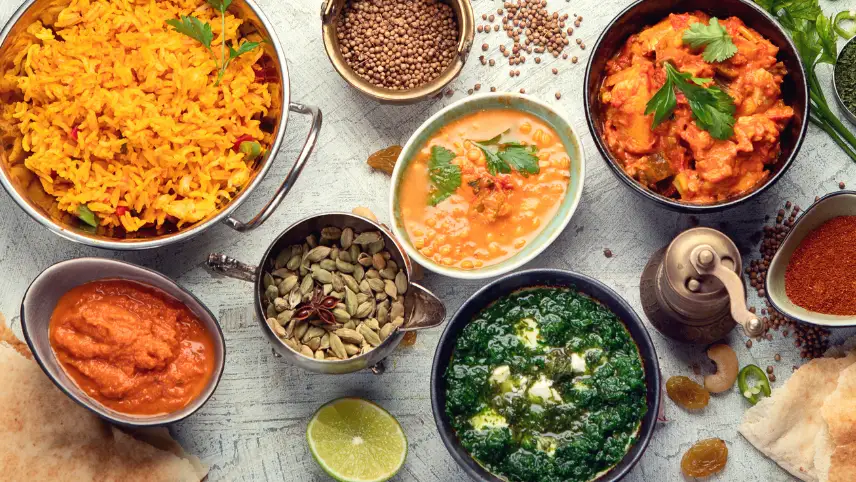
Another reason Indian food stands out is its intelligent use of spices. Turmeric, ginger, cumin, coriander, mustard seeds, cardamom, fenugreek, and cloves bring depth and aroma without requiring sugary sauces or excessive processing, and Harvard Health notes that turmeric has shown promising anti-inflammatory potential even though evidence for many health claims is still evolving.
Still, spices are helpers, not magic. Turmeric in a dish does not erase the effects of too much sodium, deep frying, or a sauce loaded with cream and butter, so it is better to think of spices as part of a healthy pattern rather than a shortcut to health on their own.
Where Indian food can lose its edge
The biggest misconception about Indian food is that all of it is automatically healthy because it contains spices or vegetables. In reality, some of the most popular restaurant-style dishes can be high in saturated fat, sodium, and refined carbs, especially when meals include fried starters, creamy curries, buttery naan, sweet drinks, and syrup-heavy desserts.
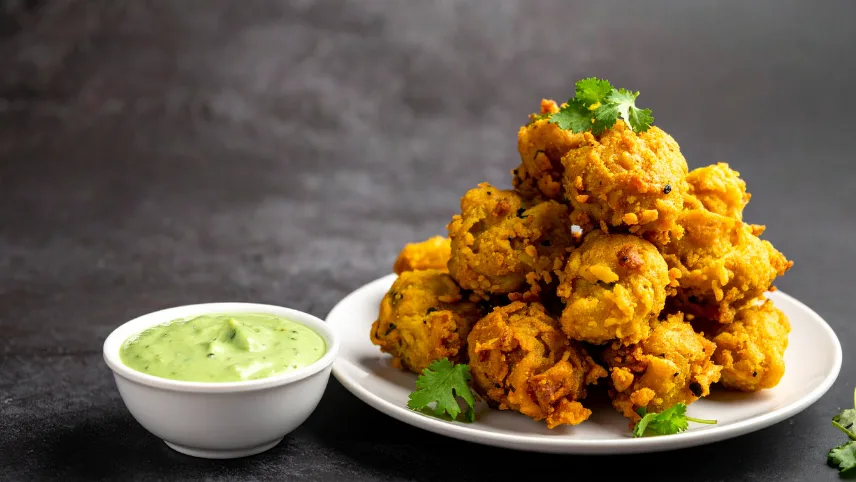
This is where context matters. Traditional home cooking often uses less oil and fewer rich finishing ingredients than restaurant cooking, which is designed for bold flavor and indulgence. The same cuisine that offers humble, fiber-rich dal also offers pakoras, malai curries, and gulab jamun, so “Indian food” is too broad a category to judge with a single label.
Little India Restaurant in Denver is an example
Little India Restaurant in Denver is a good example of this balance, as its menu includes both lighter and richer options. The restaurant features vegan dishes such as mushroom mattar, vegetable curry, baingan bharta, and chana masala, alongside classic curries, biryanis, naan, samosas, and desserts like kheer, gulab jamun, and kulfi.
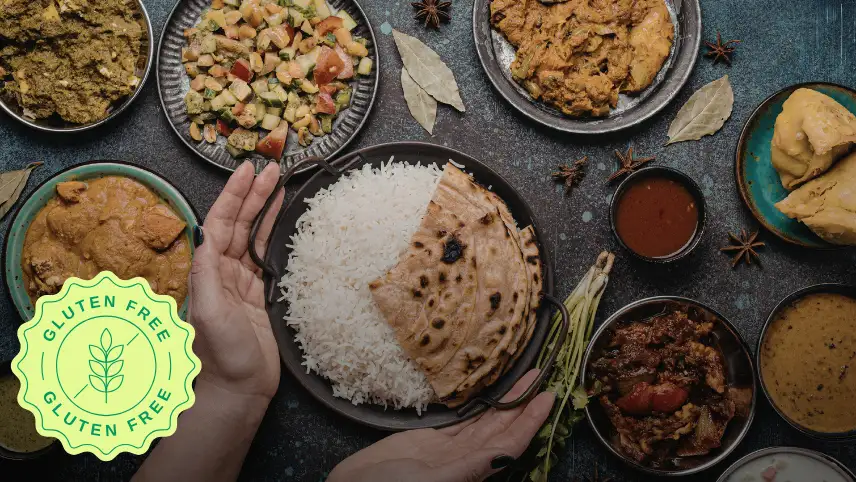
That means a diner can build a relatively health-conscious meal there, but the outcome depends on the selections. Choosing tandoori items, tomato-based curries, vegetable dishes, or chickpea-based options will usually create a lighter meal than combining fried appetizers with butter-heavy sauces and multiple refined-flour sides. Little India also presents itself as offering diet-friendly, vegan, gluten-free, and dairy-free options, which reflects how adaptable Indian cuisine can be when restaurants make those choices visible on the menu.
For a practical example, a healthier order at Little India Denver might look like chana masala or baingan bharta, a tandoori protein, a vegetable side, and roti, rather than a richer curry with fried starters and dessert. The point is not that one restaurant proves Indian food is the healthiest cuisine in the world, but that it shows how Indian food menus often contain both nutrient-dense options and indulgent favorites side by side.
How Indian food compares with other healthy cuisines
When people talk about the world’s healthiest cuisines, the Mediterranean diet usually comes up first because it has strong mainstream support from organizations such as the American Heart Association and Mayo Clinic. Those sources emphasize beans, vegetables, whole grains, nuts, seafood, and healthy fats like olive oil, and they repeatedly link that way of eating with heart health benefits.
Indian cuisine deserves to be part of that same conversation, especially when it focuses on lentils, beans, vegetables, fermented foods, and less-refined grains. Research on low-glycemic South Indian dietary patterns has shown improvements in glycated hemoglobin, insulin sensitivity, triglycerides, weight, and cardiovascular risk factors in people with type 2 diabetes, suggesting that carefully structured Indian meals can be highly effective for health.
So is Indian food healthier than Mediterranean, Japanese, or other celebrated cuisines? There is no universal winner because health depends more on the pattern of eating than on the passport of the cuisine, but Indian food clearly has the ingredients and traditions to compete with the best when prepared in a balanced way.
The real answer
Indian food is not automatically the healthiest cuisine in the world, but it may be one of the easiest cuisines to make very healthy without losing pleasure or flavor. Its best dishes align remarkably well with modern nutrition advice because they rely on legumes, vegetables, fermented dairy, grains, and spices rather than requiring heavily processed ingredients.
The better question, then, is not whether Indian food is the healthiest cuisine in the world in some absolute sense. The better question is which version of Indian food you are eating: the everyday, balanced version built around dal, vegetables, and whole grains, or the special-occasion version centered on fried snacks and rich gravies. In restaurants like Little India Denver, as in Indian cuisine more broadly, both paths are often available on the same menu.